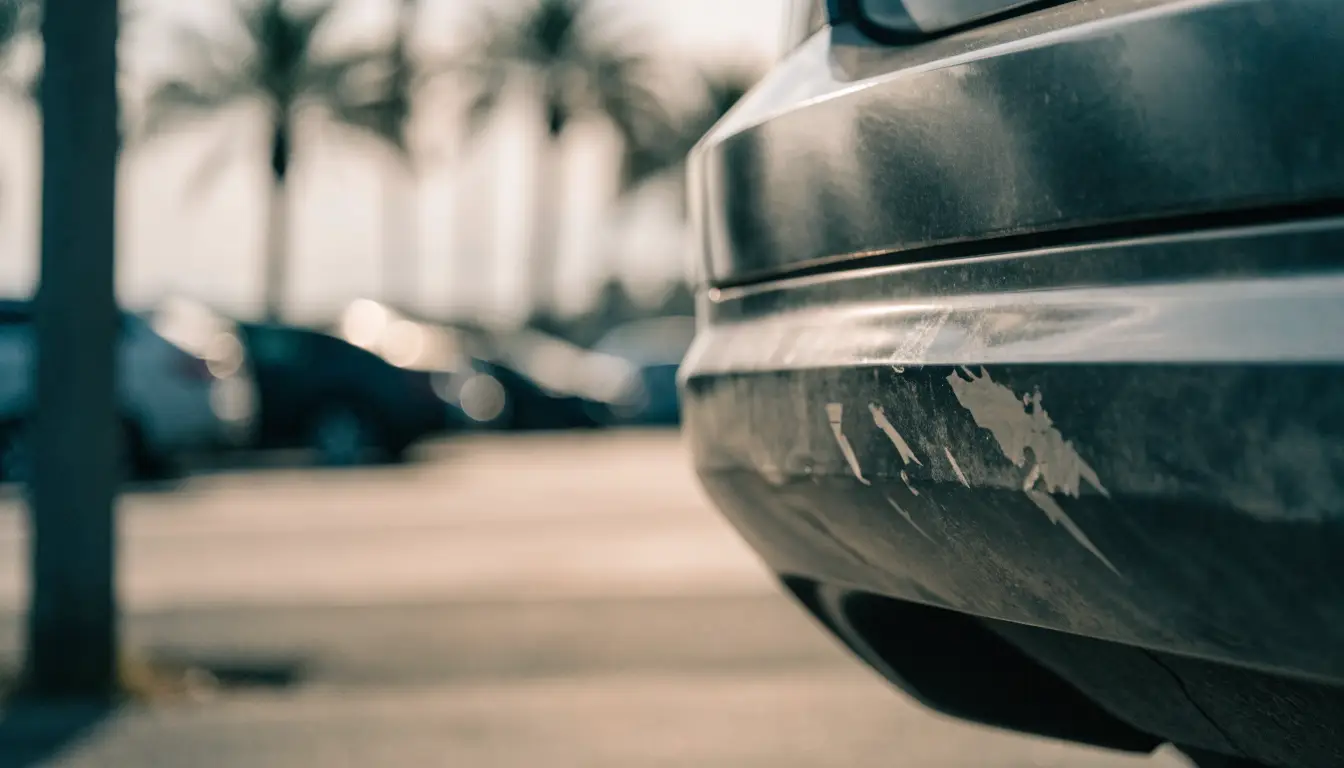
Why the bumper lies
Modern bumpers absorb impacts that still snap a head through its full range of motion — the injury mechanism is acceleration, not crush. The queue rear-ends that Oceanside's junction stacks and gray-morning chains produce (El Camino's long signals, the marine layer's pileups) are exactly this pattern: modest sheet metal, genuine cervical strain, headaches, and weeks-to-months of real limitation. We hear this question from Loma Alta as often as from anywhere else in town.
The "minor impact" playbook you're up against
Insurers flag low-repair-estimate claims into a soft-tissue track: quick lowballs before you've finished treating, recorded-statement fishing ("you felt fine at the scene, right?"), and the argument that a small dent can't have hurt you. None of it is medicine — all of it works on unrepresented claimants who settle at week two for what week twelve would have valued fairly.
What actually proves the injury
- The same-day evaluation — the record linking crash to symptoms starts here; adrenaline masks whiplash for 24–72 hours, which is why "I felt fine at the scene" means nothing medically and everything to an adjuster.
- Consistent treatment — follow the plan, keep the appointments; with Tri-City and the city's therapy network minutes from anywhere, treatment gaps read as recovery, not inconvenience.
- The function story — missed shifts, the surfboard that stayed racked, the sleep you lost. Pain journals and work records turn "soft tissue" into a life impact a jury could price.
What fair looks like
Value runs on the medicine and the disruption — treatment costs, wage loss, and pain and suffering scaled to documented duration — not the repair invoice. The settlement-factors guide shows the math; the short version is that a properly documented three-month recovery is worth multiples of the week-two lowball. Before you take theirs, get the free read on yours — soft-tissue cases are precisely where representation moves the number most.
We also help injured people in: ArrowoodMorro HillsDowntown Oceanside