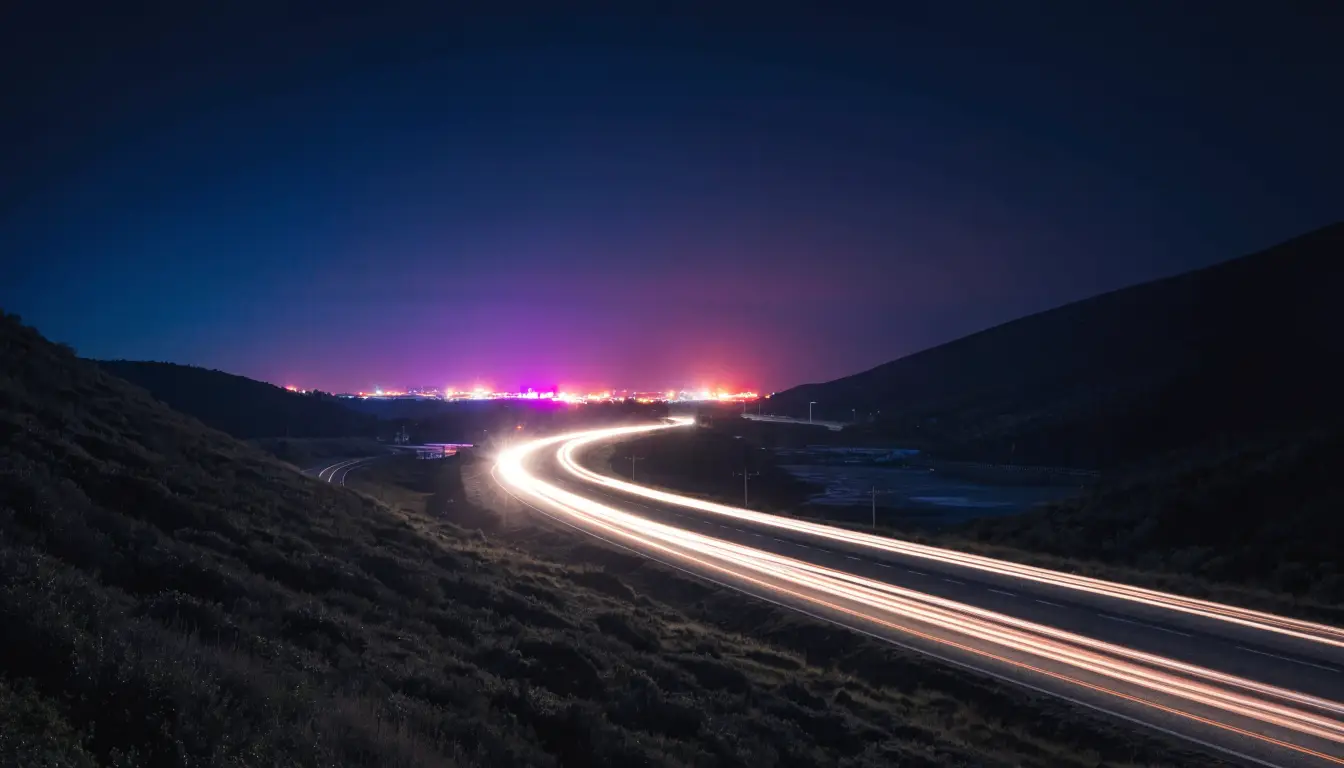
Why this corridor, why those hours
The 76 is the valley's artery to Pala and beyond — widened in stages precisely because its old two-lane miles kept producing head-ons. Late at night the traffic distills to workers heading home and players heading back, some of them twenty hands and four drinks past their bedtime. Speed differentials, drift, and the occasional wrong-side headlight do the rest. It applies from Ocean Hills to every corner of Oceanside.
The claims, by cause
Fatigue crashes prove like impairment's quiet sibling — drift patterns, no braking before impact, the driver's own timeline (subpoenaed player's cards and receipts reconstruct an evening precisely). Negligence, fully compensable.
Impairment crashes add the punitive layer: negligence per se on the DUI, punishment damages insurance can't cover, and the California Highway Patrol's night-shift documentation — BAC, bodycam, field tests — feeding your civil claim. The full playbook: the DUI-victim guide, and the honest worth-it math.
Rural-mile crashes — head-ons, run-off-roads forced by drifting oncoming traffic — are evidence-thin by nature: preserve everything immediately, because a single skid mark and a debris field may be the whole record.
Why the SR-76 corridor is dangerous
The SR-76 casino route mixes several risk factors:
- High speeds on a road that narrows to two lanes.
- Impaired drivers heading home from the casinos late at night.
- Head-on risk where passing zones are limited.
- Poor lighting on the rural eastern stretches.
If the corridor caught you
Report to the CHP, get medically checked the same night, and photograph the scene before the valley's weather and traffic erase it. These cases reward speed like few others — and the free review costs nothing while the evidence is still on the asphalt.
We also help injured people in: Fire MountainLoma AltaTownsite