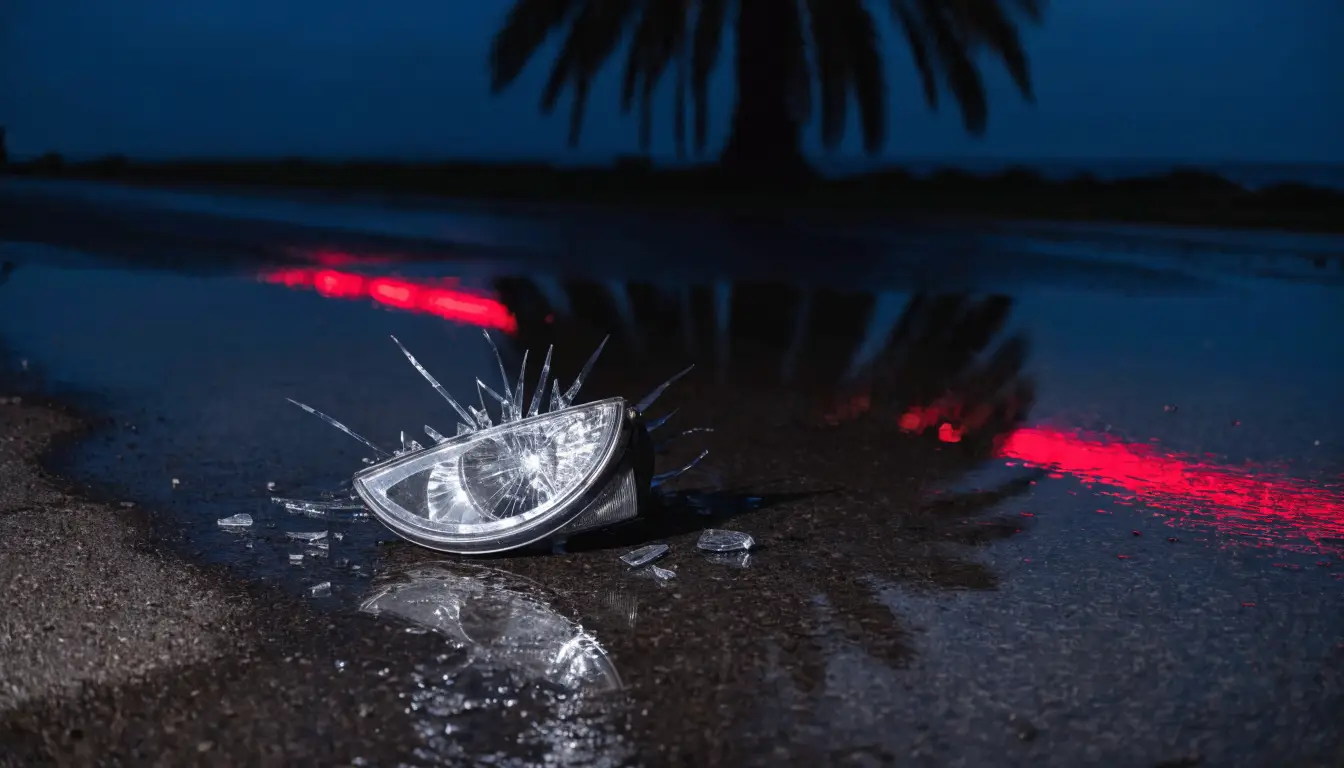
Two cases, one crash
The criminal case is the People versus the driver — jail, probation, license. Your civil claim is your losses — medical bills, wages, pain and suffering. They share evidence, not outcomes: courts convict without compensating you meaningfully, and restitution rarely approaches civil value. The prosecution is an ally, never a substitute. Ocean Hills drivers deal with this same situation every week.
What their case hands yours
- Negligence per se — the DUI violation establishes the breach; your claim starts ahead.
- The evidence file — BAC results, bodycam, field tests, witnesses: gathered by investigators, usable by you.
- The receipt trail — where the evening's drinks came from occasionally matters under California's narrow dram-shop rules.
The punitive card
California juries may punish drunk driving beyond compensation — and because insurance can't lawfully cover punishment, the exposure lands on the driver personally. Defendants settle differently when their own assets enter the math; wielding that well is a skill, and it's why DUI-victim claims price differently than ordinary negligence. The local geography writes the caseload: the pier district's bars onto Coast Highway, the 76's late casino returns, liberty weekends — the same corridors drunk driving data tracks nationally.
What victims should do
Beyond the universal steps: assert your victim rights — notice, sentencing statements, restitution — and keep your civil clock running on its own schedule. Impaired drivers skew uninsured; if that's yours, your own UM coverage carries the claim. Wondering if the whole thing is worth pursuing? Honest answer here — and a free review gets both tracks pulling together.
We also help injured people in: Fire MountainLoma AltaTownsite