The baseline: permissive use
Lend your car, and California ties you to what the borrower does with it — that's statutory owner liability. The mercy is the cap: absent your own negligence, exposure is limited to the statutory amounts, and your auto policy's omnibus clause generally covers permissive drivers as primary. Translation: in the ordinary lent-car crash, your insurance handles it and your personal assets stay out of it. A crash in Morro Hills follows the same rules.
Where the cap vanishes
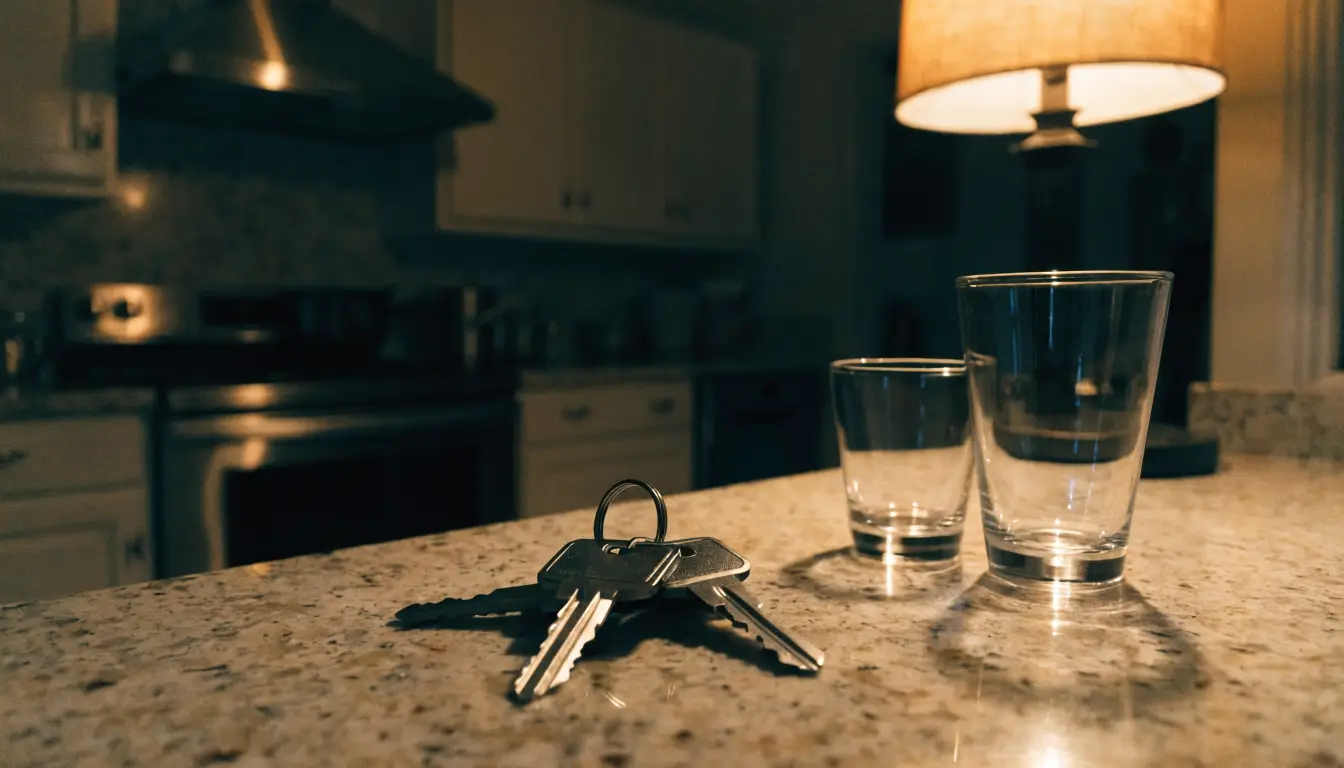
Negligent entrustment — handing keys to someone you knew or reasonably should have known was drunk, unlicensed, or unfit — is YOUR negligence, uncapped and personal. Hypothetically: handing keys to a visibly swaying friend outside a pier-district bar could make their whole crash yours. The moment of the handoff is the whole case: what you knew, what you saw, what a reasonable person would have.
What to do right now
- Notify your insurer immediately — late notice creates coverage problems you don't need.
- Say nothing characterizing the lending — “I had no idea they'd been drinking” is a fact for counsel to frame, not a phone quote.
- Check your policy for exclusions — excluded drivers and prohibited-use clauses change everything.
- Get advice before any statement — entrustment turns on words about a two-second handoff.
And if the drunk borrower hurt YOU or yours
Flip side: injured as a passenger in your own lent car, or your family member hurt — claims exist against the driver, and your own coverage layers apply. The full victim playbook is the DUI-victim guide; whether pursuing the driver personally pays is its own honest math. Either seat you're in, the free consult sorts your exposure from your claim in one call.
We also help injured people in: Ocean HillsArrowoodMorro Hills