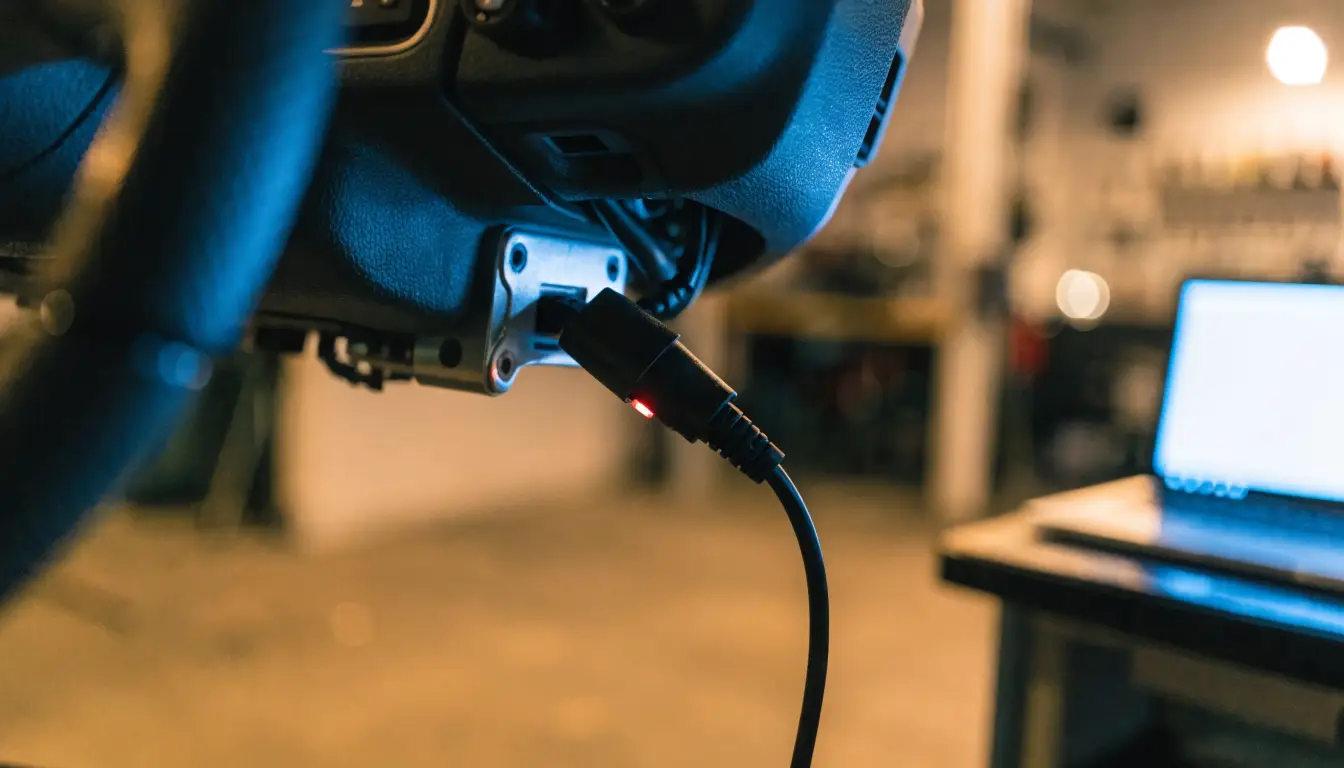
What the recorder saw
When airbags fire (or nearly do), the module freezes a snapshot: vehicle speed second by second, whether and when the brakes were touched, throttle, steering input, seatbelts, and the crash pulse itself. In a he-said merge dispute at the interchange, that's the difference between two stories and one printout. It applies from Fire Mountain to every corner of Oceanside.
The cases it decides here
- The 5/78 weave dispute — the corridor's signature fight: steering data shows who drifted.
- Speed arguments — “everyone does 60 on Oceanside Boulevard” becomes a measured number.
- Braking fights — proving the other driver never touched the pedal converts “sudden emergency” into inattention.
- Your own defense — YOUR data proving lawful speed and early braking deletes their comparative-fault discount.
The race you're already losing
Both vehicles hold data; both sit in tow yards on salvage timelines. Every week of delay is evidence heading for the crusher. The counter is a same-week preservation letter to every custodian — after which destruction becomes spoliation, a problem that itself helps your case. Extraction takes licensed tools and, for the other vehicle, consent or legal process — squarely attorney-and-expert work, done right the first time or argued about forever.
The habit worth having
If your crash involves any dispute about speed, lanes, or braking — most do — say the words “preserve both vehicles” in your first call. It's the cheapest expert witness you'll ever retain, and it only exists this week.
We also help injured people in: Rancho Del OroIvey RanchOcean Hills