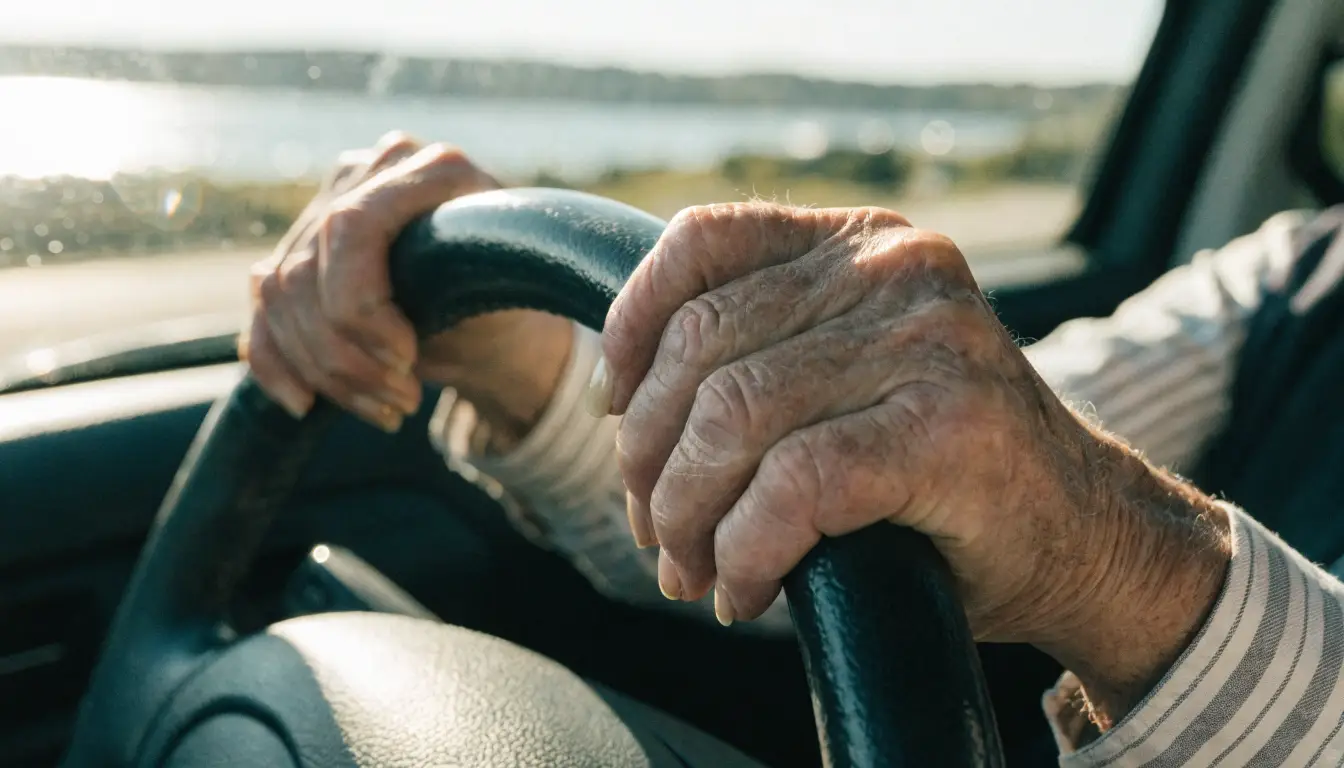
The playbook run against seniors
Three moves, every time: attribute the injury to age ("degenerative changes"), discount life-impact ("limited activity anyway"), and press quick settlements on fixed-income worry. Each has a legal answer, and the first one — the degeneration argument — fails hardest, because radiologists find degenerative findings in nearly every adult spine. The question is never whether age-related changes exist; it's what the crash did.
The law's answer: as they find them
The eggshell rule means fragility is the defendant's problem, not the victim's discount. Asymptomatic-to-symptomatic is a compensable transformation; a fracture that wouldn't have happened to a 30-year-old is still a fracture the negligent driver caused. Treating-physician testimony drawing the before/after line is the whole battle — and it's a winnable one, routinely.
Life-impact, valued honestly
The second play — "they weren't doing much anyway" — inverts reality: independence lost at 75 is a larger loss, not a smaller one. Driving, the community's own golf and clubs, living without help — when a crash takes those, the non-economic claim should say so specifically. Concrete before/after detail defeats the abstraction.
Issues unique to senior-driver claims
Crashes involving older drivers in Ocean Hills raise specific points:
- Pre-existing conditions the insurer will try to blame.
- Slower, more complicated recoveries that need full documentation.
- Fault disputes at the quiet arterials and left turns.
- The same right to full compensation as any other victim.
Practical notes for Ocean Hills households
Get imaging early (baselines beat arguments), document pre-crash activity (the community calendar is evidence), involve adult children in the process where helpful, and treat quick-settlement pressure as the tactic it is. The fee structure is the same contingency as anyone's — nothing up front — and the patience is part of the service: the free review moves at your pace, not the adjuster's.
We also help injured people in: Ocean HillsArrowoodMorro Hills