Cameras: the fled driver's worst enemy
Hotels, bars, storefront corners, pier approaches, residential doorbells — a beach town watches its streets. Footage does two jobs: identifies vehicles (sometimes plates), and proves the hit-and-run occurred for your UM claim even when identification fails. The catch is retention: days to a few weeks. Walk the scene, note every lens with an angle, ask nicely, and get preservation letters out where asking fails — the mechanics behind why your own canvass matters more than you'd hope. It applies from Morro Hills to every corner of Oceanside.
Paint and parts: the physical trail
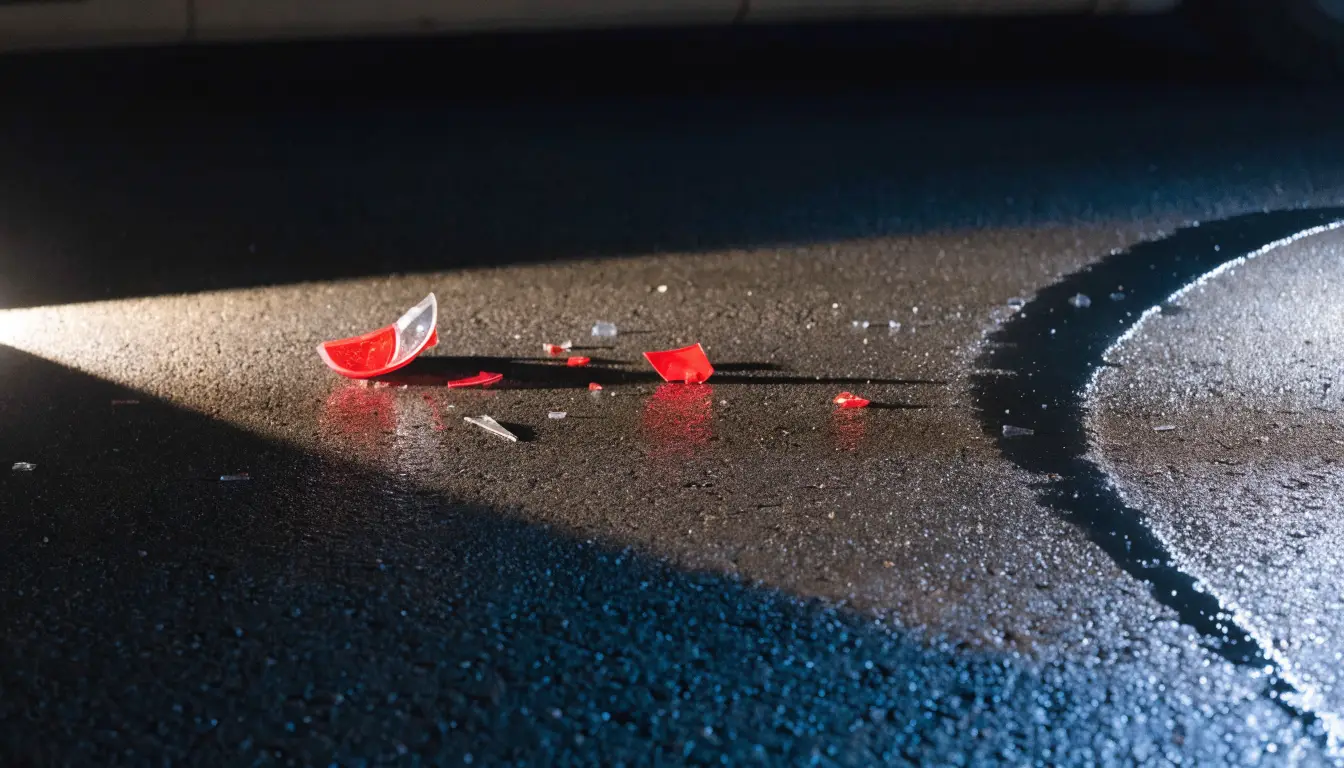
Transfer paint on your panels can be matched to manufacturer color codes — narrowing make, model, and years. Broken trim and headlight fragments carry part numbers. Photograph everything in place before it's swept, keep the pieces, and don't repair your vehicle until it's fully documented; your bumper is a witness.
Witnesses and the report
Get phone numbers at the scene — accounts can be taken later, but only from people you can find. And file the police report same-day: beyond investigation, it's typically a condition of UM hit-and-run coverage. A report filed promptly is the difference between an insurer that must pay and one with an exit.
The evidence that identifies a fleeing driver
Fleeing drivers get found more often than people think — through:
- Doorbell, business, and traffic cameras along the route.
- Debris and paint transfer that identify the vehicle's make and color.
- Witness descriptions and partial plates.
- Nearby ANPR/toll and rideshare-dashcam footage.
What if the driver is never found?
The evidence still pays — through your own UM coverage, which needs proof a hit-and-run happened, not a defendant's name. That's the pivot point of the 48-hour playbook, and where a free case review turns a pile of photos into a claim.
We also help injured people in: Ocean HillsArrowoodMorro Hills