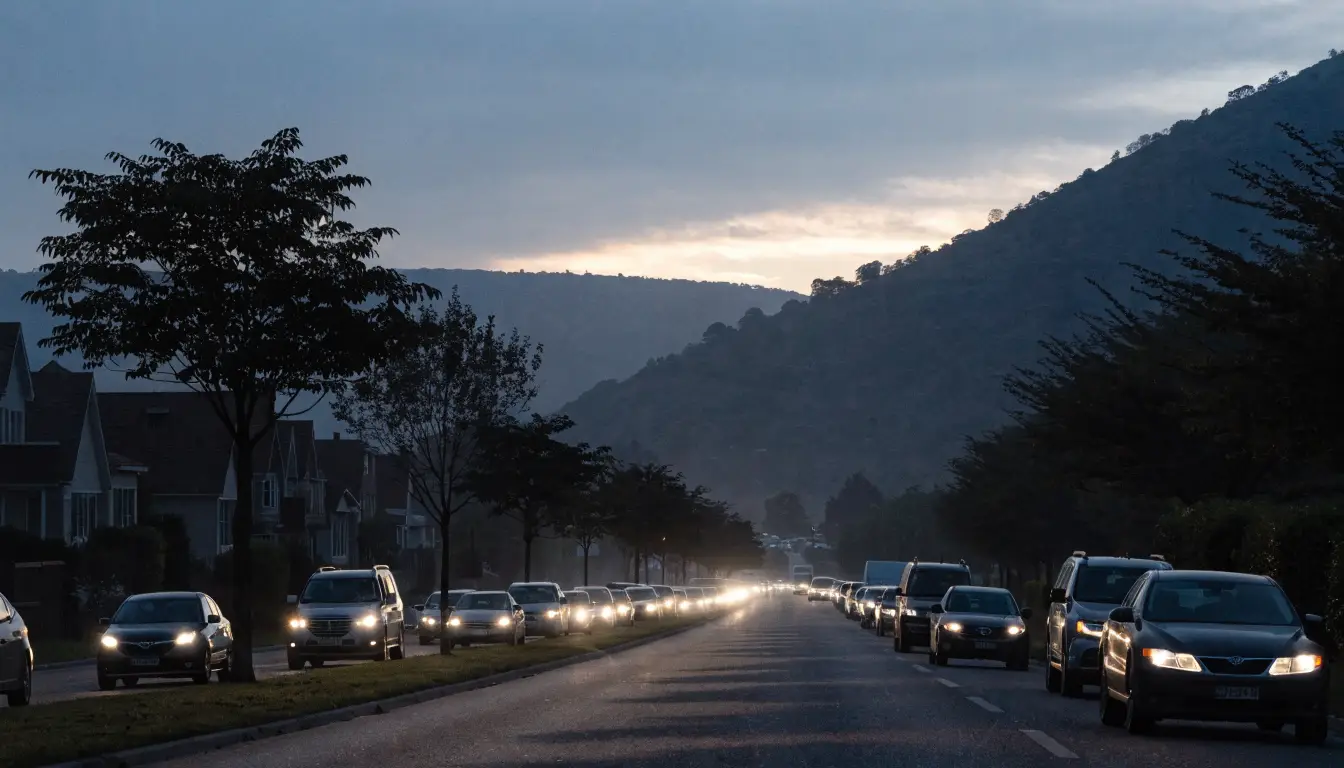
The pattern, by the clock
Morning surge: queues stack down Vandegrift and the connectors while the impatient thread gaps that aren't there. Evening release: the same volume outbound, tired instead of rushed. The crashes write themselves — rear-ends in the queues, unsafe passes around them, and intersection gambles by drivers racing a formation time that doesn't negotiate. Ivey Ranch drivers deal with this same situation every week.
Liability: the deadline defense that isn't
"I was going to be late" has never excused a following distance — if anything, predictable surge congestion strengthens the negligence argument, because drivers are charged with adjusting to conditions they meet every single day. Ordinary claims, ordinary rules, with the California Highway Patrol or Oceanside PD writing the report depending on the stretch.
The two military wrinkles
Government vehicles: a crash involving a tactical or official vehicle routes through federal claim procedures — different forms, shorter clocks, no room for delay. Bring those facts to counsel immediately.
Servicemember victims: your claim is civilian and full-valued, with SCRA deadline protection and TRICARE lien planning built in from the start — the whole picture lives in the military family guide.
The gate-traffic patterns we see
Camp Pendleton's gates create predictable crash points:
- Rear-enders in the backups approaching the gates at shift change.
- Merge crashes where gate traffic meets the I-5.
- Rushed lane changes by commuters running late.
- Fatigue crashes on early-morning and late-night runs.
If the surge caught you
Standard day-one steps (here), plus one: witness numbers matter double, because surge witnesses deploy, transfer, and PCS. Then the free review — before the other driver's version of the queue becomes the record.
We also help injured people in: Morro HillsDowntown OceansideSouth Oceanside